
Sitting too much? You may be risking your health
October 23, 2026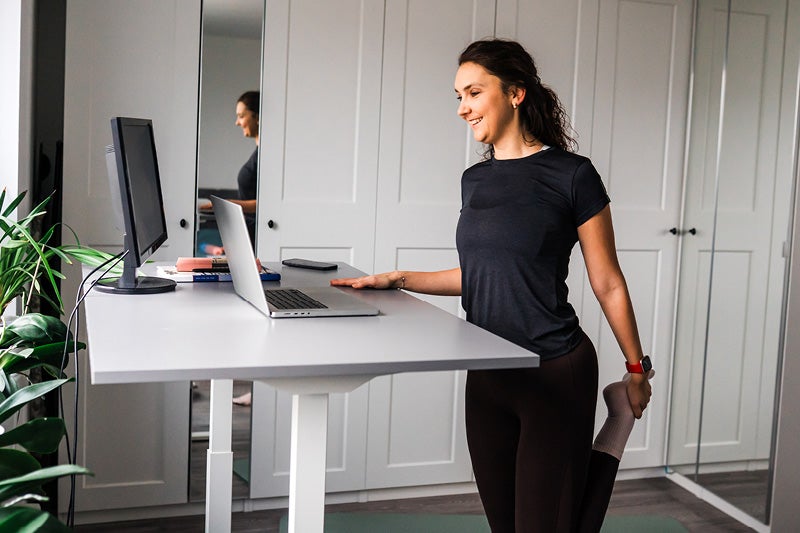
Overview: Don't just sit there. Stand up against a sedentary lifestyle and monitor your sitting habits. If you sit for hours at a time, you may be risking your health. We have tips on how to sit smart and sit less.
Glued to your seat for hours at work, spending lots of time on the road or hunching over your phone or computer for extended stretches? So much sitting could be hurting your health.
In fact, the term "sitting disease" describes the health risks of sitting for long continuous periods and a sedentary lifestyle. Extensive sitting, for over six to eight hours a day, carries health risks that can rival the dangers of smoking or obesity.
Stand up for prevention. Once you're aware of your sitting habits, you can make smarter choices to protect your health.
What are the health risks of sitting too much?
When you sit at a computer, in front of the TV or behind the wheel for lengthy periods, you use less energy. Extended sitting has been linked to increased blood pressure, high blood sugar, excess body fat around the waist and unhealthy cholesterol levels – the cluster of conditions that make up metabolic syndrome. You also increase your risk for heart disease, Type 2 diabetes and cancer.
Learn your risk for heart disease
Emotionally, research links high amounts of daily sitting with an increased risk of stress, anxiety or depression. It also reduces your energy levels and makes it harder to concentrate.
How does too much sitting affect your back?
Sitting puts more pressure on the discs in your spine than standing and slouching in front of your computer with shoulders hunched forward.
When you sit in front of a computer all day, your back muscles don't get enough exercise. This causes them to weaken, putting added stress on the ligaments, discs and small joints of your spine. This can lead to chronic back pain, stiff hips and muscle weakness. Too much time in a chair also weakens your upper back and core, leading to a rounded posture and neck and shoulder strain.
How do I sit smartly?
- Make sure your computer screen is at eye level or no more than 15 degrees below that, so you can keep your neck straight.
- Rest your back against the back of the chair. A rolled towel or small pillow can help support your back’s natural arch. Position your arms to 90 degrees.
- Get up and move around periodically. Use a phone alarm, timer or calendar alert to stand up, stretch or walk for at least 5 minutes every 30 minutes to hour. This will help lower blood pressure and blood sugar spikes.
How can I sit less?
At work
- Take a break from sitting. Stand up or find ways to walk while you’re at work.
- Stand or pace while talking on the phone or reading an email.
- Catch up during your lunch break. Spend 15 minutes eating and 15 minutes taking a brisk walk.
- Try using a standing desk some of the time.
- Use bathrooms on a different floor or farther away.
- Have a walking meeting with coworkers rather than sitting in a conference room.
- Place your work surface above a treadmill so you can be in motion while using the computer.
- Use the 20-8-2 rule: Sit for 20 minutes, stand for 8 minutes, and move or walk for 2 minutes.
- Take the stairs instead of the elevator.
- Walk to deliver a message instead of sending an email.
At home
- Stand or march in place during TV commercials or watch TV while standing during part of the program.
- Do quick household chores like wiping down surfaces or vacuuming to boost your activity.
- Pace the sidelines while watching a game.
- Use a fitness tracker to watch your sitting time.
- Combine standing chores with TV time. Watch TV while ironing, cooking or folding clothes, for example.
If you're aware of how much you're sitting, you can find creative ways to sit less, stand more and be on your way to better health.
This blog was medically reviewed by a MercyOne Provider.