
Overview: Smoking is not the only risk factor when it comes to lung cancer. Certain environmental hazards also involve risks.
Every two and a half minutes, someone in the U.S. is diagnosed with lung cancer. In Iowa, new lung cancer cases are significantly higher than the national rate, according to the American Lung Association.
As with all cancers, early detection is key. Find out your risk for lung cancer by taking our health risk assessment today and if you qualify for lung cancer screening.
What environmental factors cause lung cancer?
While cigarette smoking's linked to 80% to 90% of lung cancer deaths in the U.S., other environmental contributors and occupational hazards may also increase lung cancer risk in smokers and nonsmokers alike.
Radon exposure
Radon exposure is the second leading cause of lung cancer. Radon is a colorless, odorless and tasteless radioactive gas. It forms from decaying radioactive elements found in different types of soils and rock.
The Iowa Radon Survey by Iowa Department of Public Health finds Iowa has the largest percentage of homes above the Environmental Protection Agency’s action level. In fact, seven in 10 homes in Iowa have a hazardous level of radon levels. If your home tests positive for radon, you should install a Radon Mitigation System to avoid any further exposure.
“High radon levels increase the risk of lung cancer in nonsmokers and smokers alike,” said Neil Horning, MD, a specialist in pulmonary and critical care medicine at MercyOne Des Moines Pulmonary and Infectious Disease Care. “We have patients, with no other risk factors, who develop lung cancer from the high radon levels in their house’s basement or at other locations.”
Agricultural chemicals
Another common radon exposure is coming in contact with phosphate fertilizers, which may have high levels of radium that break down into radon. Occupations like farming may have a higher risk of radon exposure from the amount of time spent around high radon levels in fields and in their homes.
Pesticide exposure has been linked to an increased risk of lung cancer, particularly for those who have high occupational exposure over several years. Research shows that pesticides are often used in combinations, and these mixtures significantly increase the risk of exposure to carcinogens that may cause cancer.
Occupational hazards
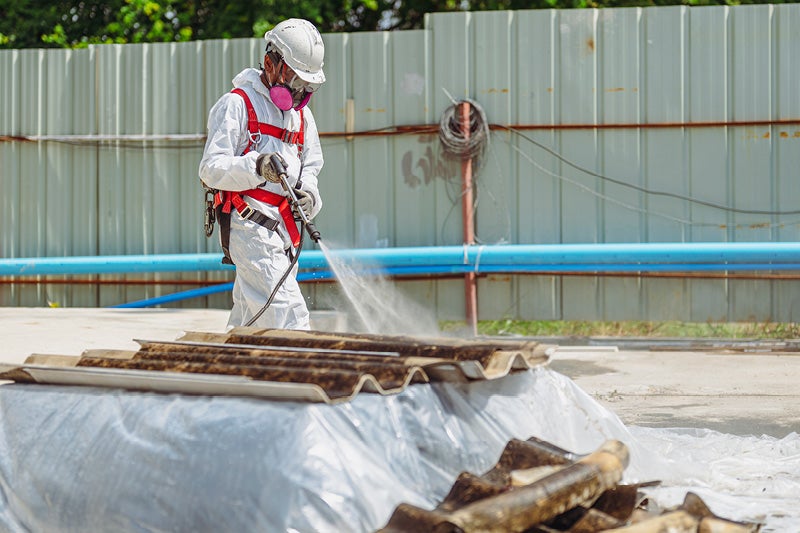
Some careers may have an increased risk of lung cancer due to exposure to high levels of chemicals, pollution and other known carcinogens.
Occupational hazards that may cause lung cancer include:
- Asbestos
- Silica dust
- Metals
- Chemicals
- Diesel exhaust
- Polycyclic aromatic hydrocarbons (PAH)
- Pesticides and fertilizers
High –risk occupations for exposure include:
- Agricultural workers, including farmers and pesticide applicators
- Military positions, especially those previously in the Navy
- Mechanics and car hobbyists
- Painters and construction/trade workers
- Miners and quarriers
- Shipyard and steel workers
- Manufacturing and heavy industry
Preventative steps
Lung cancer is one of the most common cancers in the world and one of the highest causes of cancer-related deaths in the U.S.
The first, best preventive step is to quit smoking and avoid exposure to second-hand smoke. Additionally, get your home tested for radon. Next, ensure you're taking precautions at work by wearing protective gear and having adequate ventilation. Finally, if you believe you are at risk for lung cancer, talk to your primary care provider about getting a low-dose CT scan on your lungs.
Find out more about low-dose CT screening for lung cancer.
This blog was medically reviewed by a MercyOne Provider