
Child immunization schedule by age: A guide for parents
October 15, 2026Categories: Wellness and Prevention, Pediatrics Care
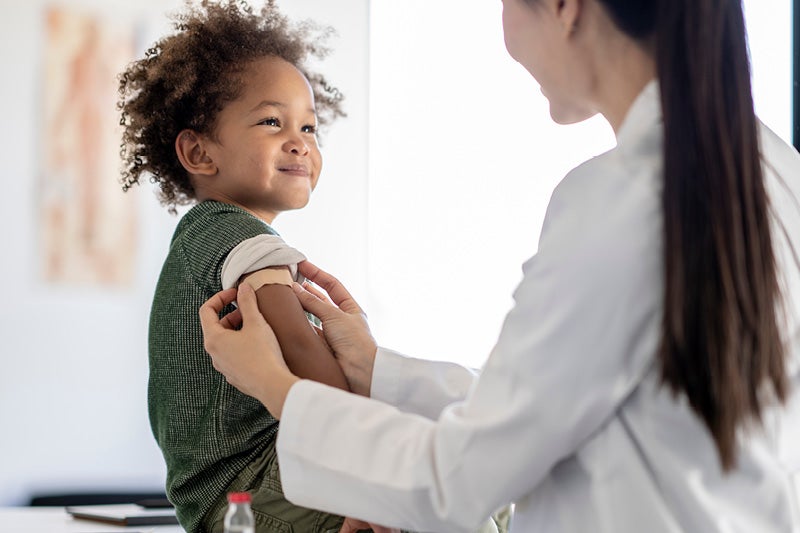
Overview: Vaccines play a big role in keeping your child safe, especially as their immune system is still developing. Discover the recommended vaccination schedule for newborns to teenagers.
From your baby's first days of life through their teenage years, vaccinations play an important role in keeping them healthy and protected. Your child’s immunization schedule is designed to provide age-appropriate protection against diseases, such as measles, whooping cough, polio and meningitis. Understanding what vaccines are recommended and when can help you make informed decisions and stay on track with your child's healthcare.
The following vaccines are scheduled at specific ages or age ranges because they provide protection when your child is most vulnerable to certain diseases and when their immune systems respond most effectively.
Birth to 6 months
During the first few months of your child’s life, their immune system is still developing. Early immunization helps protect your baby during this vulnerable stage of life. These vaccinations also teach your child’s immune system how to recognize and fight infections.
Recommended vaccines
- Hepatitis B (HepB): Doses one through three within baby’s first six months
- Respiratory syncytial virus (RSV antibody): A preventive immunization for some infants during RSV season. Eligibility may depend on whether the mother received the RSV vaccination during pregnancy.
- Diphtheria, tetanus and acellular pertussis (DTaP): Dose one through three
- Haemophilus influenzae type b (Hib): Dose one and two
- Rotavirus: Dose one through three
- Pneumococcal: Dose one through three
- Poliovirus (IPV): Dose one through three
- Influenza: One dose annually beginning at six months
- COVID-19: Parents should discuss with their pediatrician
8 months to 2 years old
As your child gets older and becomes exposed to more people and places, additional vaccines and boosters can help protect them again several diseases.
Recommended vaccines
- DTaP: Dose four
- Hib: Dose four
- Pneumococcal: Dose four
- Measles, mumps and rubella (MRR): Dose one
- Chickenpox: Dose one
- Hepatitis A: Two doses separated by six months
4 to 6 years old
As your child reaches school age, they’ll receive additional boosters to keep them protected.
Recommended vaccines
- DTaP: Dose five
- IPV: Dose four
- MMR: Dose two
- Chickenpox: Dose two
7 to 10 years old
Most children don’t need routine vaccinations during these years unless they are catching up on missed doses. However, it’s important to continue annual flu vaccination and discuss COVID-19 vaccination recommendations with their pediatrician.
11 to 16 years old
Preteens and teens are recommended to receive the following vaccines to help protect them during adolescence and into adulthood.
Recommended vaccines
- Human papillomavirus (HPV): Two or three doses
- Tdap (Tetanus, Diphtheria, Pertussis)
- Meningococcal ACWY: First dose at 11 – 12 years old with a booster at 16
- Meningococcal B: Parents should talk to their healthcare provider to decide if this vaccine is right for their child.
Your child’s pediatrician will walk you through a specific recommended vaccination schedule based on your child’s health needs and vaccination status. If your child misses a vaccine, they usually don’t need to restart the series, and their pediatrician can help create a catch-up schedule.
What do these vaccines protect against?
Vaccines help protect against serious illnesses that can damage vital organs. Many of these diseases are spread easily through coughing, sneezing or close contact.
Recommended vaccines help prevent:
- Respiratory illnesses, such as RSV, whooping cough (pertussis), COVID-19, influenza (flu) and pneumonia. These can lead to severe breathing problems and hospitalization.
- Liver infections like hepatitis A and hepatitis B can cause long-term liver damage, liver failure or cancer.
- Brain and nervous system infections, such as polio, Hib, pneumococcal disease, measles and mumps. These often lead to paralysis, hearing loss, brain swelling or other permanent complications.
- Serious bacterial infections, such as diphtheria and tetanus, can cause heart damage, difficulty breathing, paralysis and death.
- Highly contagious childhood, diseases, such as measles, mumps, rubella and chickenpox can lead to pneumonia, brain inflammation, birth defects and other serious complications.
Keeping up with your child’s immunization schedule is one of the most effective ways to protect them from serious illness. If you have questions about recommended vaccines, dose schedule or booster shots talk with your child’s pediatrician.