Overview: Sleep helps our body function in a healthy manner, but if you're having issues with good sleep, there are solutions.
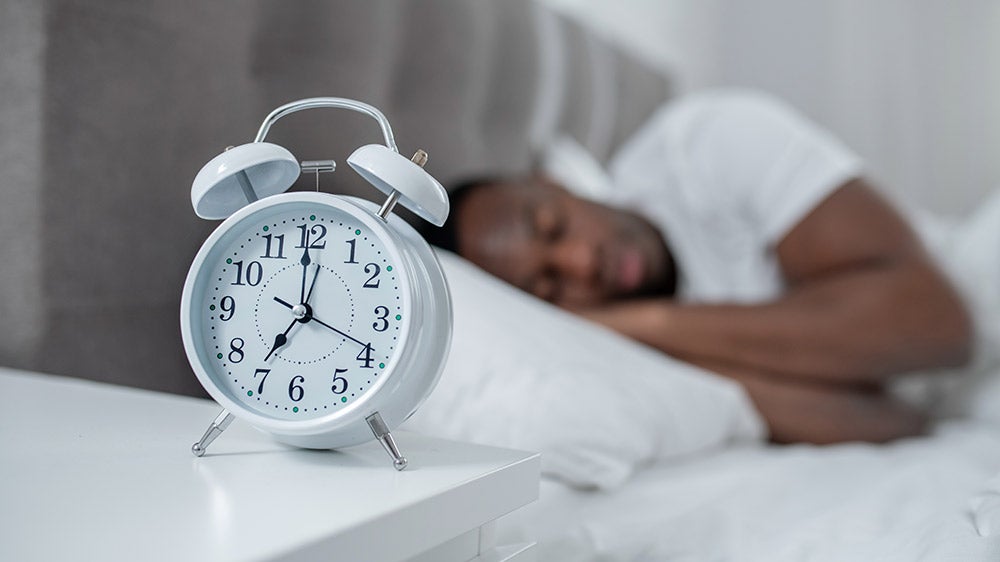
Each day, we face stress, whether it's mental, physical or both. That's why you’re designed to sleep and regenerate your central nervous system. It's important to make sleep a priority in your daily routine.
Research shows that eight hours of rest a night helps avoid increased risks to overall health, including:
- Heart disease
- Type 2 diabetes
- Obesity
- Behavioral health issues
Bad sleep and your health
Your body needs a balanced circadian rhythm to function properly, and this is provided through sleep. Circadian rhythms are physical, mental and behavioral changes that follow a 24-hour cycle. These natural processes respond primarily to light and dark and affect most living things. If you don’t get enough sleep, your health can become impacted.
Your heart can be greatly affected by reduced circadian rhythm and so can your liver, stomach and kidneys. These organs need inactivity at night and activity during the day. When there's a metabolic imbalance, hormones and proteins that normally control hunger and fullness send the wrong message to the body, resulting in an increase in obesity and a higher prevalence of heart disease.
Sleep and your pH levels
Sleep also helps maintain a specific pH level in your body. Heartbeat and brain signals that control your body are electrical and require a specific pH to function properly.
Sleep disorders like sleep apnea or insomnia can change your pH by lowering your oxygen levels and increasing your carbon dioxide levels. This can change the body’s pH, which can result in heart arrhythmias and increased risk for cardiac events at night.
Behavioral health and sleep
Inadequate or poor-quality sleep can also affect behavioral health, including your body’s ability to manage stress and your overall mood.
Sleep issues can make it more difficult to read or compute. When the brain is deprived of the REM sleep stage associated with dreaming and learning, it has a harder time consolidating facts and details.
Poor sleep can also impact:
- Memory
- Irritability
- Stress
- Depression
- Anxiety
Sleep and vehicular accidents
If you’re taking off on that next long drive for work or fun, make sure you've gotten adequate sleep before you get behind the wheel. When you’re sleep-deprived and driving, this impairment can be equal to operating a vehicle while intoxicated. Because your reaction time and critical thinking skills may be slower, driving when sleep-deprived is dangerous for you and others.
Better sleep solutions
If you find yourself having difficulty getting sufficient quality sleep, help is available. Advances in sleep medicine can include various dental appliances that keep the jaw positioned and airways open. Another common device is a continuous positive airway pressure device (CPAP) that delivers air from a compact device to a mask.
We all have a unique sleep experience, so a sleep expert will first spend time getting to know you and your circumstances. If a sleep study is needed, you may be asked to take a home sleep test (HST). Data from that test helps decide if an enhanced sleep study is needed at a sleep center.
Difficulty sleeping may happen at any age and stage, and it's important to find a solution, so it doesn't harm your health. Visit with your primary care provider if you're concerned about your sleep patterns. They can refer you to a sleep expert who will help you on your journey to a good night's sleep.
This blog was medically reviewed by a MercyOne provider.