If you have extra skin and fat around your abdomen, you may consider abdominoplasty (tummy tuck). This procedure can remove some of that excess skin and fat, resulting in a smoother, flatter contour. Abdominoplasty is one of the most popular cosmetic surgeries with the highest level of patient satisfaction.
Considering abdominoplasty?
Fluctuations in weight due to pregnancies or gaining and losing weight will often result in unwanted loose skin. Stubborn external fat can be difficult to lose with diet and exercise alone. The goal of abdominoplasty is to restore the contour of the abdomen and in many cases, the confidence and self-esteem of the patient. We repeatedly hear how patients enjoy wearing jeans and pants that they previously didn’t feel confident choosing. If this resonates with you, you might want to discuss options with our board-certified plastic surgeons.
Are you a candidate?
Although cosmetic surgery is an elective, self-pay procedure, not every person is a candidate. Considerations that may affect eligibility include:
- Quality of general health
- Being up to date on recommended health screenings
- Reaching and maintaining your goal weight for 6 months
- A BMI in a safe zone for elective cosmetic surgery
- No further planned pregnancies
- Not using any form of nicotine
- Realistic expectations about the outcome.
If you’ve been on a weight loss journey and haven’t yet reached your goal weight, your surgeon may advise that you wait. If you’re planning further pregnancies, it’sadvisable to wait. Muscles and skin will stretch during pregnancy, affecting results.
It’s important to note that abdominoplasty is permanent but doesn’t prevent weight gain. Once you heal from the procedure, you need to maintain a healthy lifestyle with balanced diet and exercise.
At your consultation
Your surgeon and our team of providers will cover:
- Your general health and medical history
- Any previous surgeries
- Medications and supplements that you take
- Your goals and expectations
- Surgery options and outcomes
- Surgical complications and risks
- Recovery and restrictions after surgery
- Surgery pricing, financing, scheduling options and preparation.
Nicotine
Patients who use nicotine of any form (smoking, vaping, patches etc.) are required to cease for a minimum of 2 months prior and 2 months after surgery. Nicotine increases risks of complications and hinders healing.
Surgical risks
These are covered during the consultation and again with the patient at the preoperative visit. While many patients may not experience complications, it’s important to address these in detail. At every stage, patients are encouraged to ask questions and call with concerns. No two patients’ recovery experience is the same.
Scheduling your procedure
- Make sure you have someone to drive you to and from your surgery
- You should have someone stay with you the night after surgery
- Have someone available to drive you to and from your post-operative appointment
- Will you need help after surgery? Lifting restrictions can apply for up to 6 weeks.
- Plan to wear comfortable loose clothing for a few weeks after surgery
- Follow a healthy protein-rich diet before & after surgery
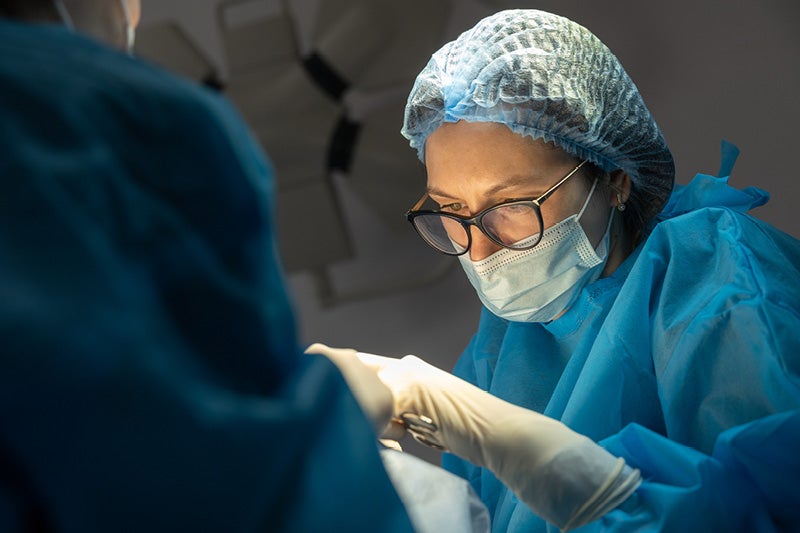
What to know before having plastic surgery and how to prepare
Having plastic surgery is a deeply personal decision that can have life-changing effects on your confiden...
Recovery
Your surgeon and provider team will advise you on medications, restrictions, returning to work and regular activities. While every patient experience is different, most patients take a few weeks off of work. Patients required to lift heavy obects as part of their job may need more time off or the ability to return to work on light duty.
Does insurance cover abdominoplasty?
Abdominoplasty is a cosmetic surgery and isn’t covered under insurance. Patients with excess skin that’s shown to be causing chronic health issues may be eligible for a different surgery called panniculectomy to remove skin. In most instances, evaluation by your primary healthcare physician and a referral to plastic surgery is advised.
Ready to take the next step?
Begin by booking a consultation with a MercyOne board certified plastic surgeon.