
Scar care after plastic surgery: How to minimize scarring
October 2, 2026Categories: Plastic Surgery and Aesthetic Care
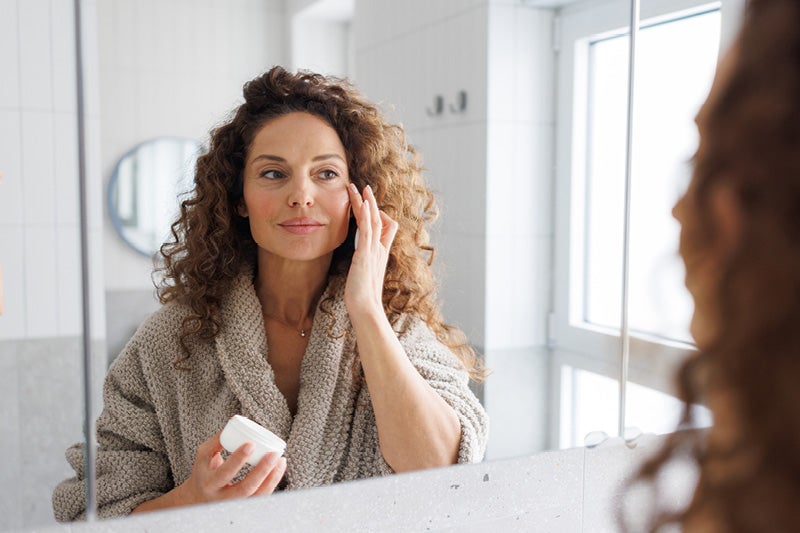
Overview: Recently have plastic surgery? Discover steps you can take to reduce scarring and feel confident in your skin.
A common misconception is that plastic surgery is scarless. Unfortunately, this is not the case, your genetics will typically determine how scars form or fade. However, with proper wound care, silicone, sun protection and patience, the appearance of scars can often be significantly improved.
Follow your surgeon’s incision instructions FIRST
For the first several days and weeks after your procedure, the priority is to protect the incision while it heals.
- Keep your incision clean and follow your care team’s instructions about showering.
- Don’t pick at scabs, adhesive, glue or steri strips.
- Avoid soaking the incision in pools, baths, hot tubs or open water until your surgeon has said it is safe to do so.
- Avoid excessive tension or stretching across the incision.
- Don’t apply creams, oils, vitamin E or other products to an open or partially healed incision unless instructed to do so.
IMPORTANT: A beautifully closed incision can still develop a noticeable scar if it’s repeatedly stretched, inflamed, infected or exposed to excessive sun.
Start silicone sheets once the incision is completely closed
Silicone is ranks among the best supported non-invasive treatments for improving the appearance of surgical scars. A practical recommendation is to use silicone daily for at least 2-3 months and often 3-6 months or longer if the scar remains red, raised, firm or noticeable. Consistency matters more than using a large number of different products.
Protect scars from the sun (this is extremely important)
UV exposure can cause a healing scar to become darker, redder and more noticeable permanently. For approximately the first year, you should be diligent about:
- Using broad-spectrum SPF 30-50+
- Covering scars with clothing whenever possible.
- Avoiding intentional tanning.
- Reapplying sunscreen when outdoors.
Even scars that are typically hidden under clothing can be exposed to UV during activities such as swimming or wearing revealing clothing.
Massages only once the incision is healed
With the approval of your surgeon, gentle scar massage can be helpful, particularly for scars that feel firm or tight.
- Use circular or crosswise movements
- Don’t aggressively pull or rub the scar
- A few minutes at a time twice a day would be reasonable.
Massage is generally more about helping with softness, pliability and tightness than erasing the scar.
Don't judge the scar too early
A new scar can initially be:
- Pink, red or purple
- Firm or raised
- Itchy
- Slightly lumpy
- Uneven
- More noticeable than expected
Scar maturations can take 12-18 months and sometimes longer. Scars frequently become flatter, softer and lighter with time. Scar care is a marathon, not a sprint. Your scar’s final appearance is primarily influenced by genetics, skin type/quality, healing, infection and sun exposure. But following the tips mentioned above will help ensure the best possible outcome.
Thinking about plastic surgery? Learn more about plastic and reconstructive surgery at MercyOne.