
FAQs about your gallbladder and surgery
August 14, 2026Categories: Surgical Care, Wellness and Prevention
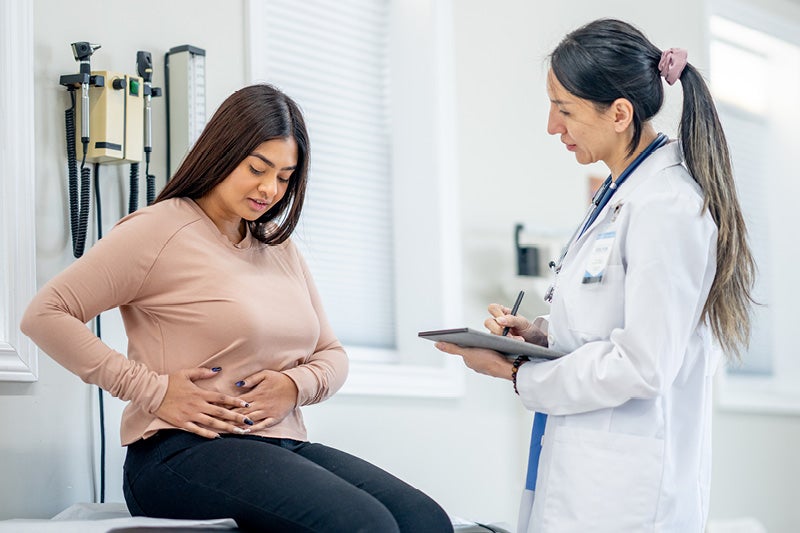
Overview: Learn about the symptoms of gallbladder disease and your options for treatment and possible surgery.
If you’ve been having gallbladder issues that interfere with your quality of life, aren’t getting any better and expected to worsen, you likely have gallbladder disease. Over time, you may need gallbladder removal surgery, called a cholecystectomy. The good news is you can live a completely healthy, normal life without a gallbladder.
What does a gallbladder do?
Located under your liver, the gallbladder is a small pear-shaped organ that stores and releases bile produced by your liver to help digest fats in the food you eat.
What causes gallbladder disease?
- Diet and lifestyle: Consuming fatty foods, refined carbohydrates and cholesterol increases your risk, as well as being overweight and inactive.
- Hormonal changes: This is particularly true for women, as high estrogen levels increase cholesterol in bile.
- Genetics: Gallbladder disease is more common in women over 40 years old and who have a family history of this condition.
- Underlying conditions: Other diseases such as liver disease, sickle cell anemia and diabetes can increase your risk.
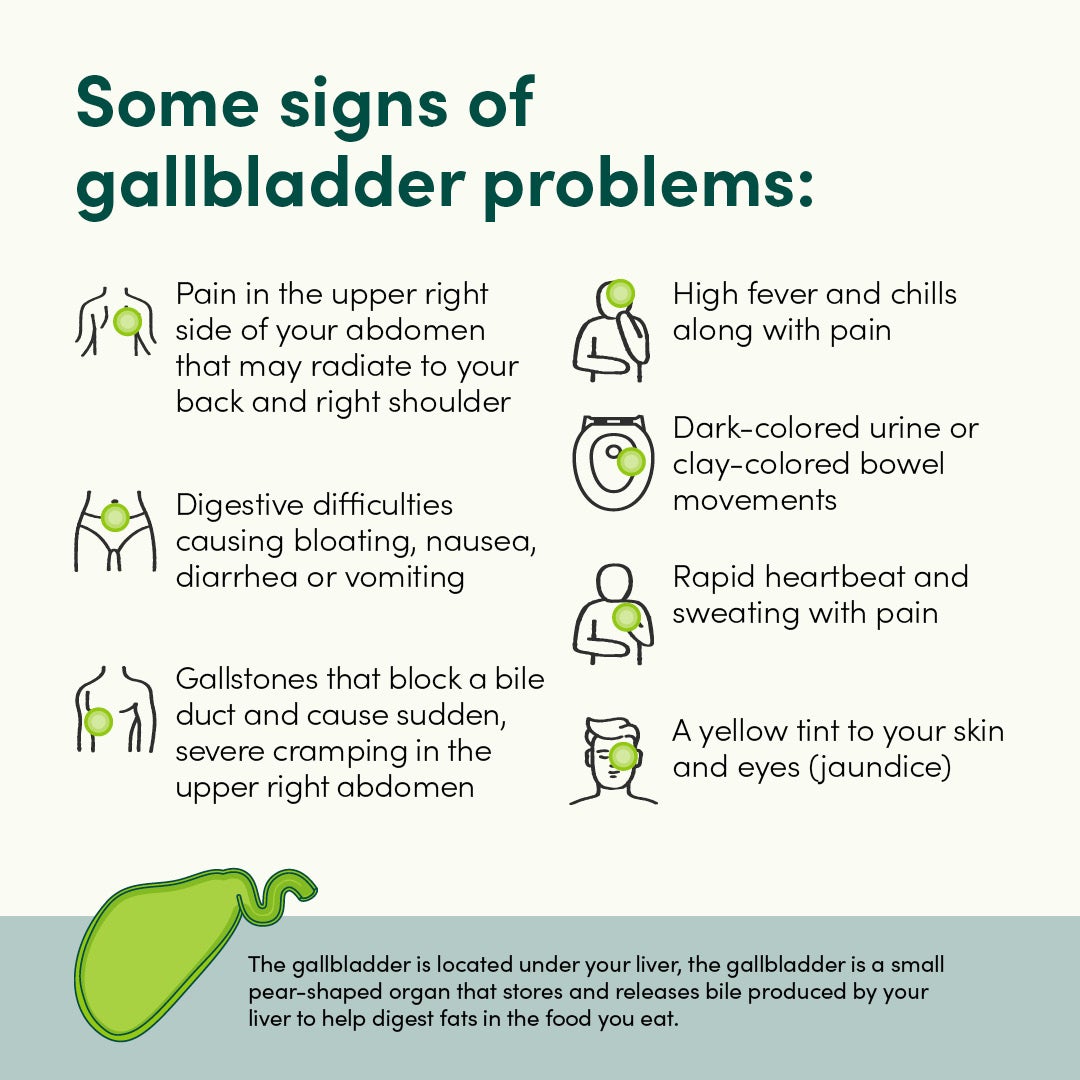
What are some signs of gallbladder problems?
- Pain in the upper right side of your abdomen that may radiate to your back and right shoulder
- Digestive difficulties causing bloating, nausea, diarrhea or vomiting
- Gallstones that block a bile duct and cause sudden, severe cramping in the upper right abdomen
- High fever and chills along with pain
- Dark-colored urine or clay-colored bowel movements
- Rapid heartbeat and sweating with pain
- A yellow tint to your skin and eyes (jaundice)
What causes gallstones?
- Excess cholesterol: When your liver secretes more cholesterol than your bile can dissolve, crystals form and eventually turn into gallstones.
- Too much bilirubin: A biproduct of broken-down red blood cells is bilirubin. This can cause dark gallstones.
- Not enough bile salts: An imbalance causes cholesterol to crystalize and form gallstones.
- Insufficient emptying: When the gallbladder doesn’t completely empty, the bile is heavily concentrated, forming gallstones.
What are my treatment options for gallbladder disease?
- Medication: When you’re having gallbladder issues causing severe discomfort, your primary care provider will likely prescribe pain medication. If you have an infection, you’ll need to take antibiotics, which is often a step toward surgery.
- Endoscope intervention: Before referring you to surgery, your provider may try fixing a minor gallbladder issue by removing gallstones and placing stents to open bile ducts.
- Surgery: Surgical removal of the gallbladder is the most permanent and effective solution for gallbladder disease. In most cases, gallbladder removal involves minimally invasive, robotic surgery. If you have a complicated case, you may need open surgery. Recovery from robotic surgery takes one or two weeks, while recovery from open surgery typically takes six to eight weeks.
Are there risks?
Risks are always involved with surgical procedures; however, it’s a fairly common procedure. The main complications include:
- Infection
- Bile leaks
- Injury to other nearby organs
Robotic surgery greatly reduces the risk of complications.
How will I feel after surgery? Do I have to change my diet?
Immediately after surgery, you’ll likely notice some digestive adjustments, because your liver will now send bile directly to the small intestine. You may experience:
- Diarrhea
- Gas and bloating
- Nausea and indigestion
If you have a fever, persistent pain and/or vomiting or nausea, you should seek medical attention.
In terms of eating habits, you’ll want to temporarily avoid greasy, fried or high fat foods, as well as heavy dairy, caffeine and alcohol. Eating five to six smaller meals throughout the day instead of two or three large ones will help your body adjust to the continuous bile flow.
Three to six months after surgery, your digestive system will adjust, and you may return to your pre-surgery eating habits.
Are there any lasting health issues after gallbladder surgery?
The most lasting health issue is experiencing relief from the symptoms you had prior to surgery. It’s important to keep a healthy diet, stay well hydrated and increase your intake of soluble fiber to help bind excess bile in your colon.
Feel better sooner than later!
If you think you may be experiencing gallbladder issues, ask your primary care provider about a referral to a gastroenterologist for an evaluation. There’s no reason to feel miserable when solutions for gallbladder disease are available and routine.
This blog was medically reviewed by a MercyOne provider.