

A proven path to long-term weight loss and improved health.
If you’ve struggled to lose weight through traditional methods, bariatric surgery may be a safe and effective option to help you achieve lasting results. At MercyOne, our experienced team provides advanced surgical care combined with lifelong support to help you succeed through weight loss surgery options such as gastric sleeve surgery and gastric bypass.
-
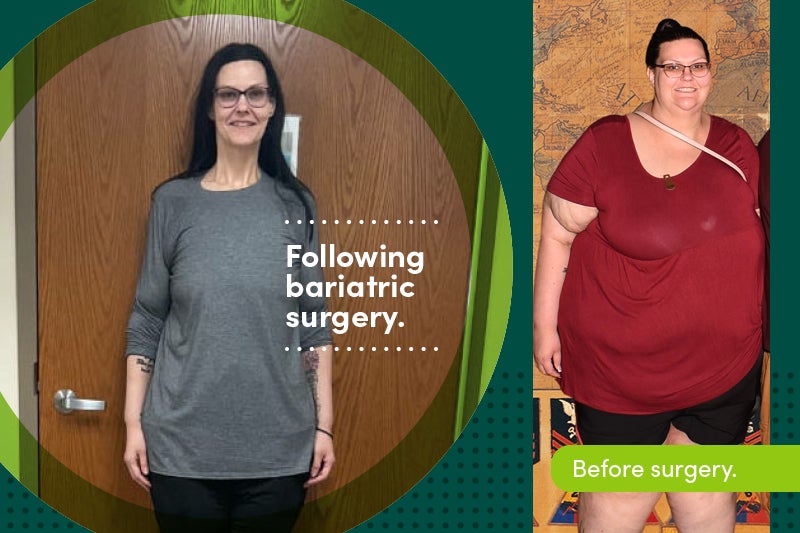
Stacey Peterson
“Bariatric surgery has changed my entire life… It has given me better health, more energy and a new mindset. I have more confidence and motivation to stay active and take care of myself. I can move through my day with less pain, and I’ve built a healthier relationship with food. The entire team was extremely supportive throughout the process. I’d encourage anyone considering it to take that step.”
-
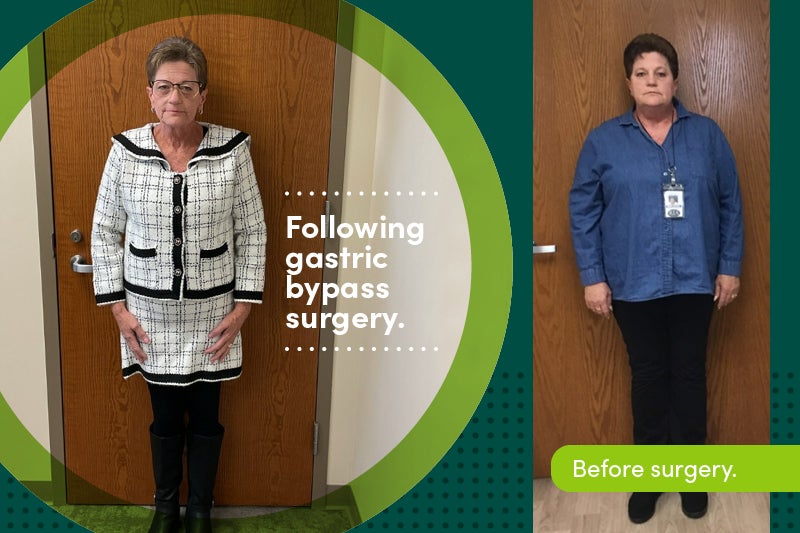
Julie Long
“I can finally stay active without struggling to breathe.”
That’s one of the biggest wins Julie has experienced since beginning her journey with MercyOne Weight Management Center.
After gastric bypass surgery with Dr. Christophersen—someone she trusted to care for both her and her family—Julie says her life has completely changed. Her health has improved, she’s off several medications, and everyday activities feel easier. Today, she feels 100% better—and is grateful for the team that supported her every step of the way.
-
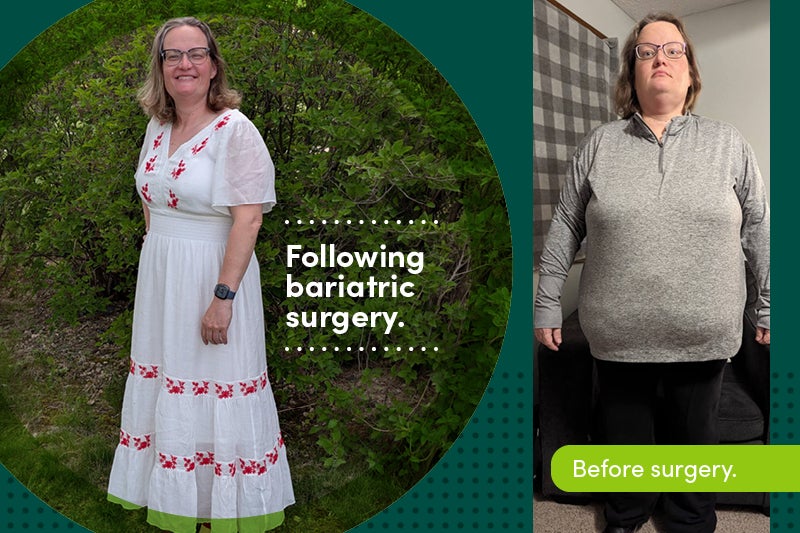
Julie Carolus
For years, Julie struggled with her weight—despite doing “everything right.” Diets, medications and complications like gastroparesis (delayed stomach emptying) made her journey anything but simple. Then she made a life-changing decision: bariatric surgery. “It is not the easy way out—it’s a complete lifestyle change.” Today, she’s down 120 pounds, has more energy, fewer health issues and is off multiple medications. Her journey is a reminder: with the right support, lasting change is possible—and it’s worth it.
-
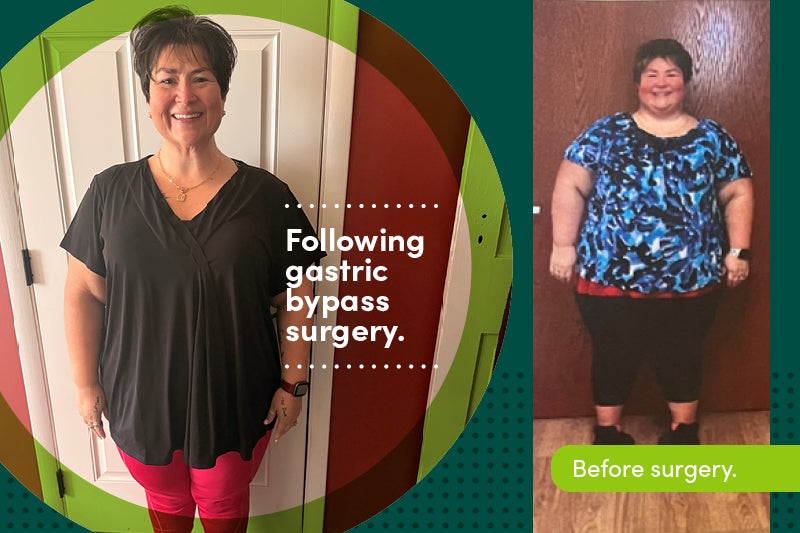
Rebecca Wiley
I've found joy in things others might overlook. I can sit comfortably in any chair. I can cross my legs with ease. And one of my favorite moments every day is wearing a gold chain that belonged to my father — something I couldn't comfortably do before my neck was larger.
The support and encouragement from MercyOne — along with my physicians, family and friends — has truly changed my life. I couldn't have done this without them.
-
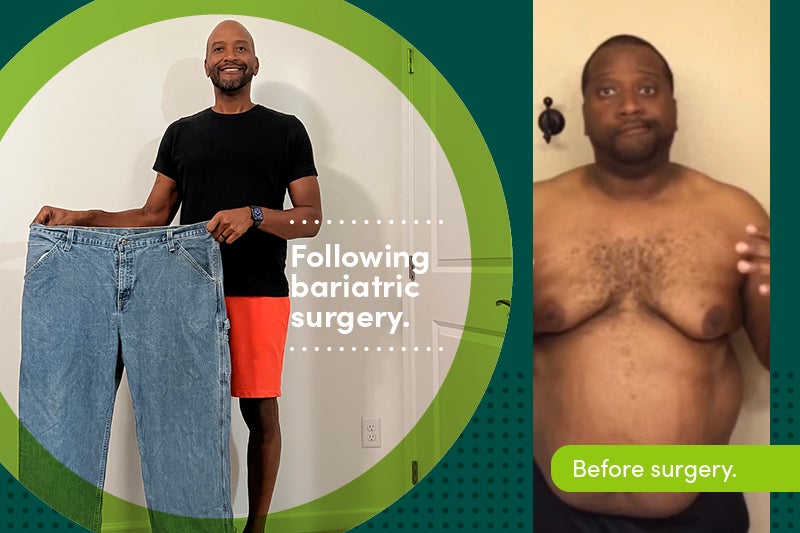
Byron Moore
“I lost over 120 pounds — but that number only makes sense when you know where it started.”
For Bryon, the decision to change his life came after witnessing the devastating effects of chronic illness in his family. Those experiences became a wake‑up call to stop waiting for “someday” and choose his health.
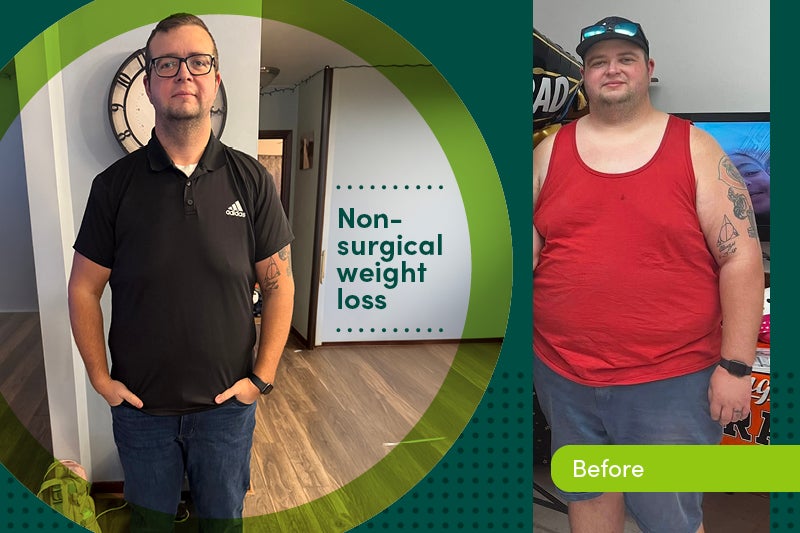
Take the Next Step
Bariatric surgery is more than a procedure—it’s a commitment to a healthier future. MercyOne is here to support you every step of the way.
Request a consultation or call to get started today.
Frequently Asked Questions
Yes. Bariatric surgery is considered a safe and effective option when performed by experienced providers.
Many patients lose 50% or more of their excess weight and maintain it long term.
Yes. Your care team will help you transition to a healthy, sustainable eating plan.
-
Read article
 Weight Loss Care
Robotic bariatric surgery: Benefits, recovery and what to expect
Considering weight loss surgery? Discover the benefits of robotic-assisted bariatric surgery, including less pain, reduced scarring and quicker recovery.
-
Read article
 Weight Loss Care
Weighing the options: Bariatric surgery vs. weight loss medication
Many people wonder: what is the best and most effective way to lose weight? Discover the differences between non-surgical weight loss with bariatric surgery and learn which option might be best for you.
-
Read article
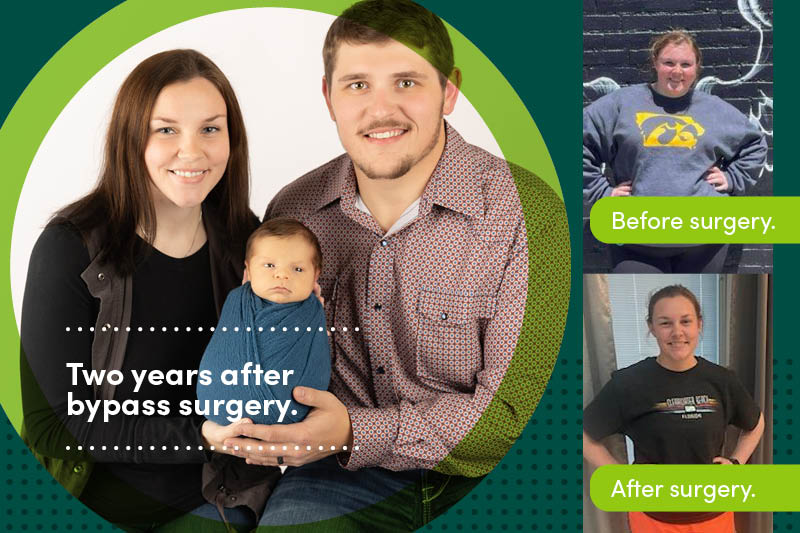 Bariatric Surgery
Kelsi Wihlm - Bariatric Surgery, Patient Story
Looking forward to her wedding and starting a family, Kelsi Wihlm decided to have bariatric surgery. She worried that her 285-pound weight, along with her health history, would affect her ability to conceive a child.
-
Read article
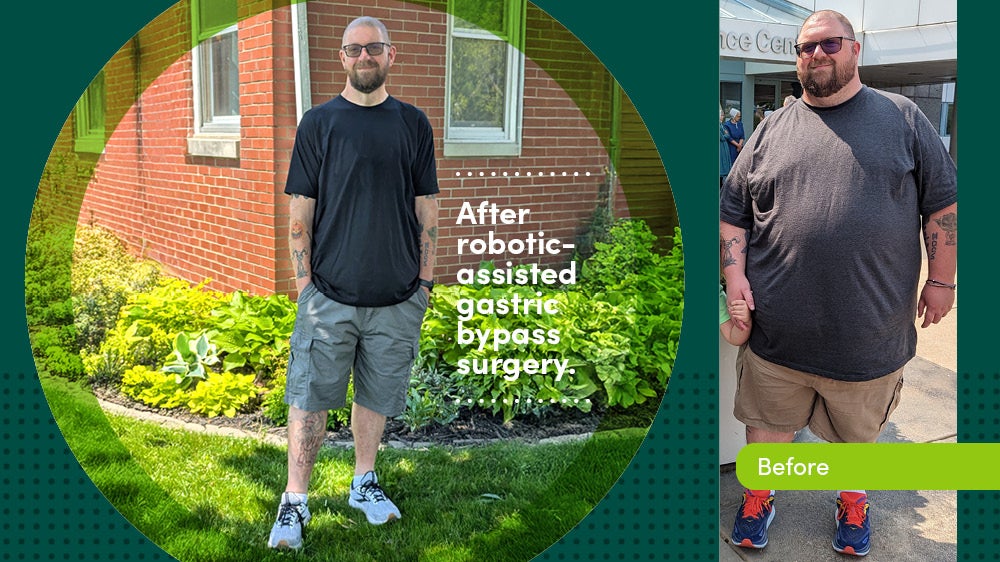 Bariatric Surgery
Nick Gottwalt - Bariatric Surgery, Patient Story
Nicholas Gottwalt spent most of his life struggling with his weight, which contributed to his high blood pressure, back pain and sleep apnea. After losing his mother to cancer, he realized he didn’t want his daughter to face a similar loss—especially from something he could change.
-
Read article
 Weight Loss Care
Overcoming body dysmorphia after weight loss surgery
Body dysmorphia can develop after weight loss surgery, when successes on the scale don’t match what you see in the mirror. Even after significant weight loss, you still see your heavier self and flaws in your appearance. Find out how to overcome this behavioral health condition.
-
Read article
 Bariatric Surgery
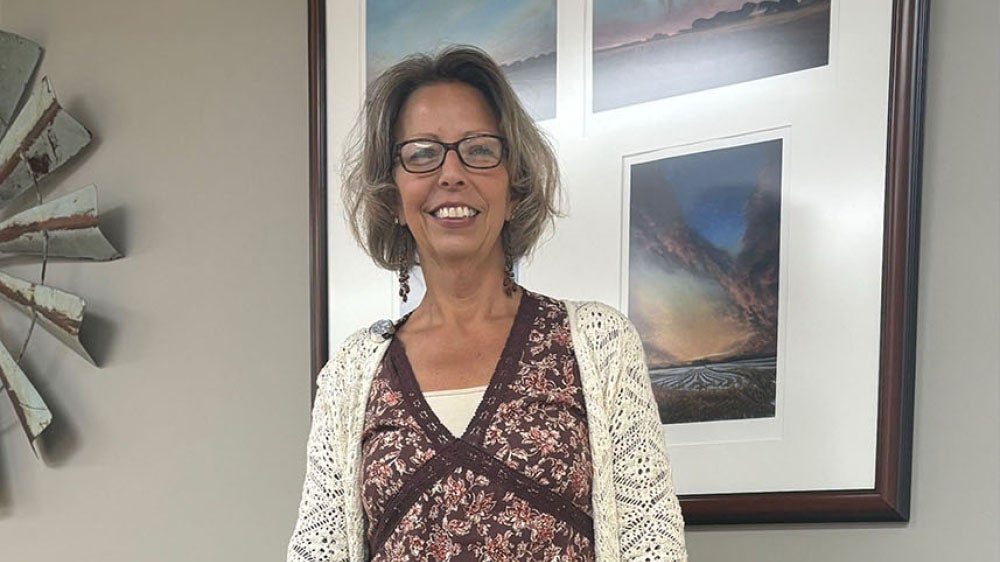
Dawn York - Bariatric Surgery, Patient Story
After many failed attempts at losing weight, Dawn York of Lowden, Iowa, spoke a hard truth to herself. “I’m not able to live the life I want to live.”
-
Read article
 Bariatric Surgery
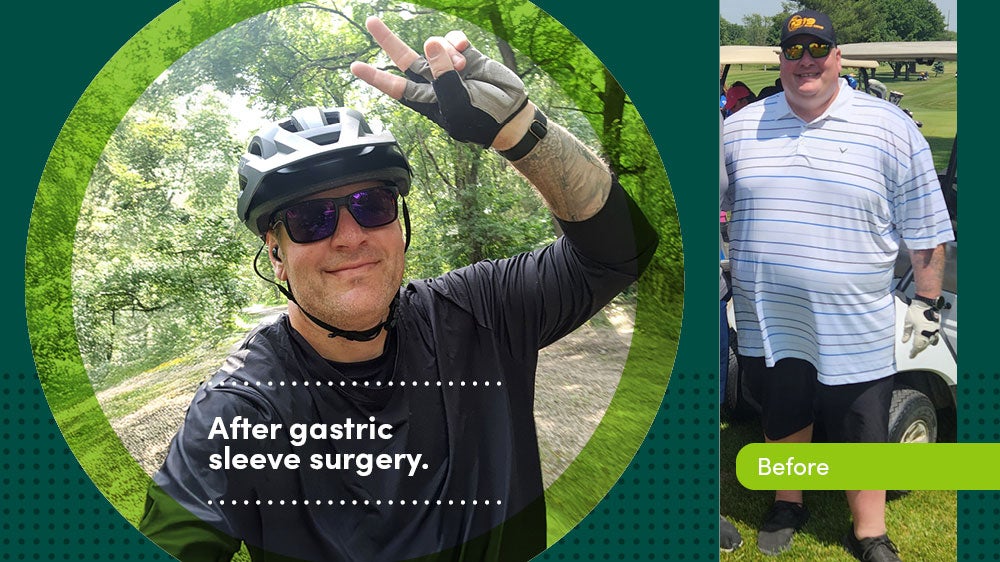
Blake Hayward - Bariatric Surgery, Patient Story
At 475 pounds, Blake Hayward lived with constant joint pain, poor health, low energy, restless sleep and difficulty exercising. He wasn’t living the life he wanted to lead.
-
Read article
 Weight Loss Care
Is snacking the ‘new’ smoking addiction
Like smoking, snacking can be an addiction that can be difficult to quit.Snacking can lead to dangerous h...
-
Read article
 Plastic Surgery and Aesthetic Care
Life after weight loss: A solution for loose skin
If you have undergone surgery or other treatments for weight loss, you may want to request a consultation...
-
Read article
 Weight Loss Care
Following your bariatric diet during a special occasion
MercyOne North Iowa Bariatric Surgery Special occasions and holiday parties can ma...
-
Read article
 Weight Loss Care
Ozempic and weight loss from a metabolism expert
MercyOne Des Moines Diabetes and Endocrinology CareIf you are looking to take Ozempic to lose weight, itâ...
-
Read article
 Weight Loss Care
Bariatric surgery benefits beyond weight loss
Bariatric surgery is a powerful tool that helps in treating obesity and obesity-related diseases, but it'...
Provider Ratings