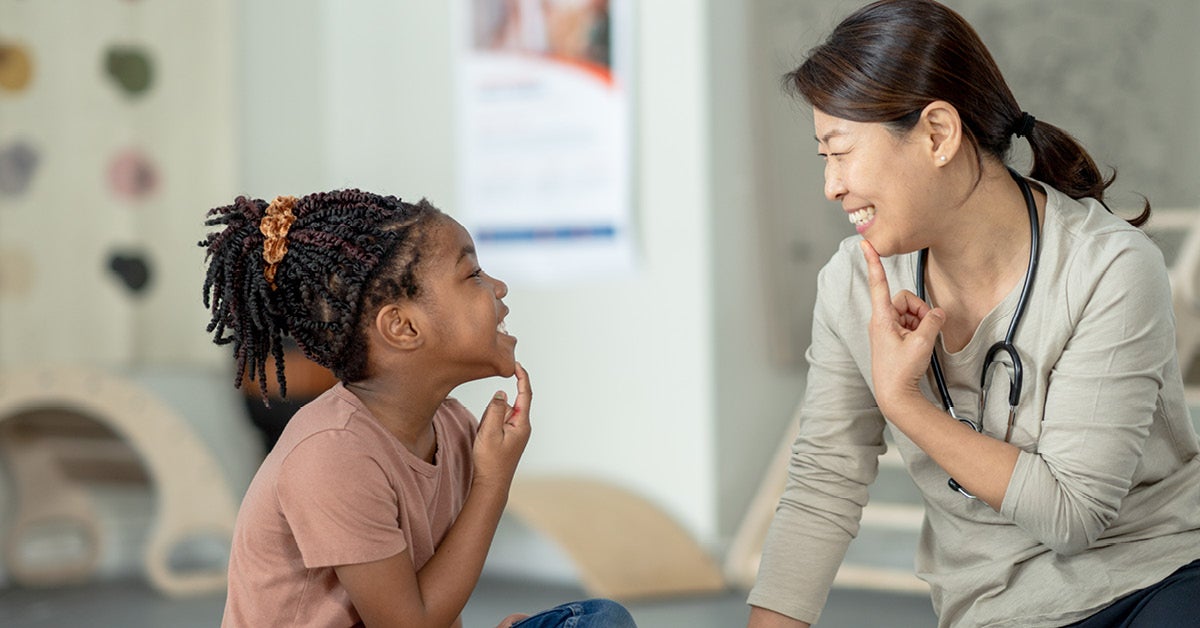
Speech therapy is used to address speech sounds, language, literacy, social communication, voice, fluency, cognitive issues such as memory, attention and thinking skills. It can also address issues related to eating and swallowing. MercyOne uses evidence-based practices to treat patients of all ages.
If you have a child with a developmental delay or disability, MercyOne has pediatric-trained professionals dedicated to help your child communicate, play, learn and live life to the fullest. Our professionals welcome family members to join the treatment sessions so they are equipped to work with their child at home.
MercyOne speech therapists work with you to develop an individualized plan to meet your goals so you may continue to live your best life.
Providers and locations
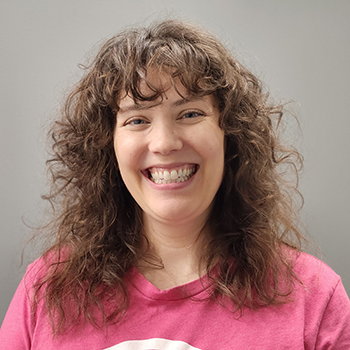
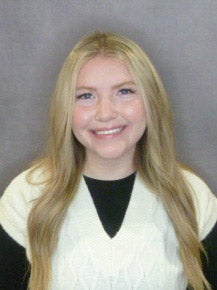
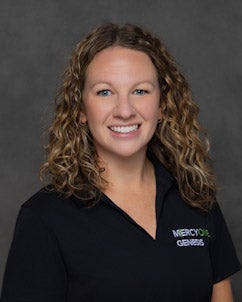
Raquel Hoffman, CCC-SLP
Speech Therapy
Accepting New Patients
Therapy and Rehabilitation
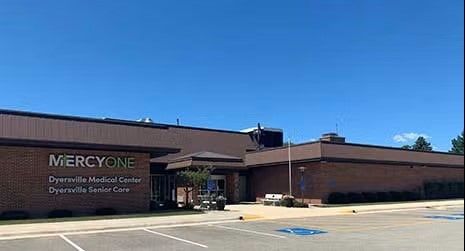
MercyOne Dyersville Physical Medicine and Rehabilitation
1111 3rd St SW - Dyersville, IA 52040
Therapy and Rehabilitation
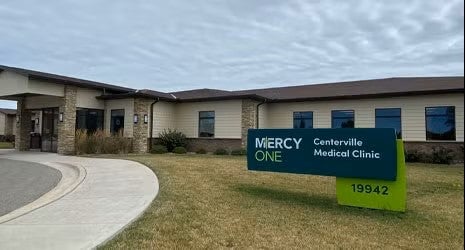
MercyOne Centerville Speech Therapy
19876 St. Joseph Drive - Centerville, IA 52544
Hospital +1 more
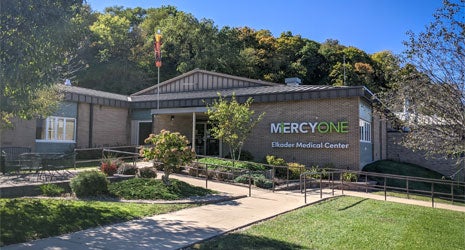
MercyOne Elkader Medical Center
901 Davidson St. N.W. - Elkader, IA 52043