Breast Cancer

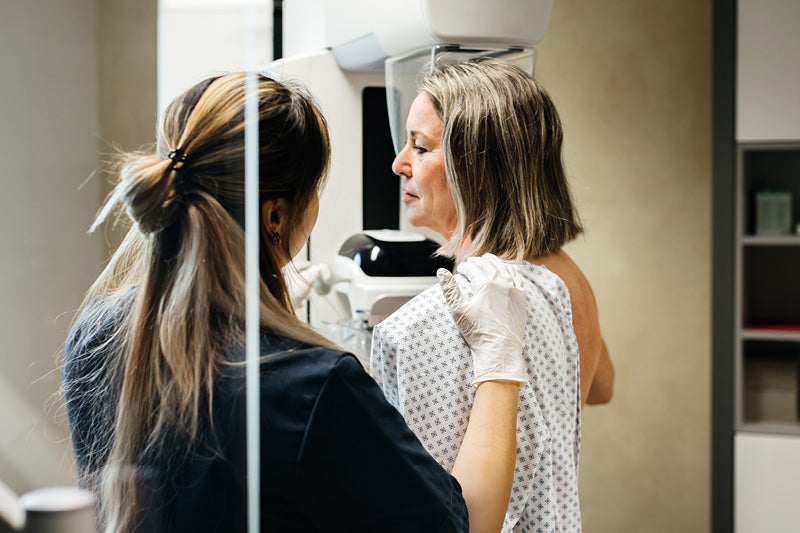
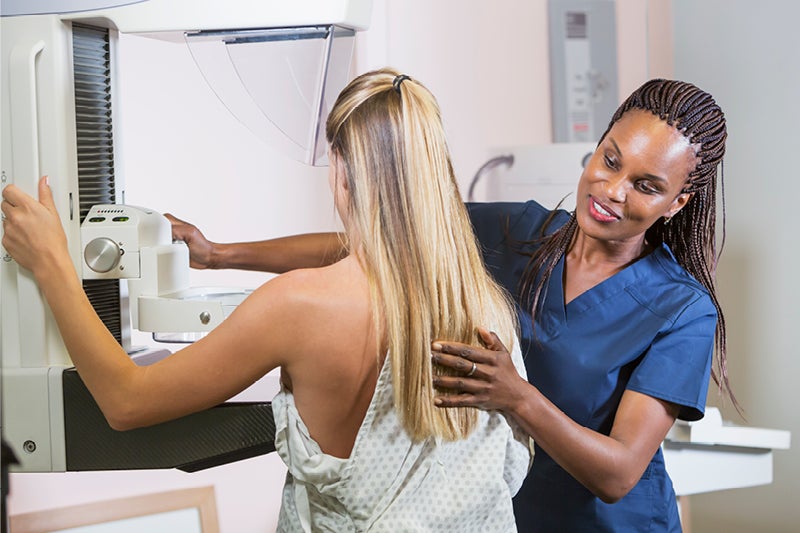
Schedule your Mammogram Today!
*Online scheduling is not available for Dubuque or Dyersville. Use the location links below to request an appointment.
What Is Breast Cancer?
Breast cancer is a disease where cells in the breast grow out of control and form a tumor. These cells can begin in different parts of the breast and may spread to other areas of the body if not treated.
Breast cancer can affect both women and men, but it is it’s far more common in women. In the U.S., breast cancer is the most common cancer in women and the second leading cause of cancer death among women. About one in eight women will be diagnosed with breast cancer in their lifetime.
Finding cancer early gives you more treatment options and better outcomes.
- Screening helps find cancer before it spreads
- Regular screening can reduce deaths from breast cancer by up to 26%
- Early-stage breast cancer has a much higher survival rate than late-stage cancer
- In Iowa, about three out of four women get regular mammograms – more screening is still needed
Know Your Risk
Breast cancer can affect anyone. Your risk may be higher if you:
- Are age 40 or older.
- Have a family or personal history of breast cancer.
- Notice changes in your breasts.
- Have been told you have dense breast tissue.
Talk with your primary care provider if you think you’re at risk for breast cancer.
Choose MercyOne for Expert, Personalized Care
If you’re diagnosed with breast cancer, MercyOne breast cancer experts will create a personalized plan that’s right for you. We’ll talk through your options, answer your questions and support you every step of the way. Common treatment options for breast cancer include:
Surgery
- Removes cancer from the breast
- May include a lumpectomy (removing only the tumor) or mastectomy (removing the whole breast)
Radiation Therapy
- Uses high-energy rays to destroy cancer cells
- Often used after surgery to reduce the chance of cancer returning
Chemotherapy
- Uses medicines to kill cancer cells
- May be given before or after surgery
Hormone Therapy
- Helps slow or stop cancers that grow using hormones
- Often taken as a pill over time
Targeted Therapy
- Uses drugs that focus on specific cancer cells
- May cause fewer side effects than traditional treatments