

At MercyOne, women’s health is centered on you. From preventive screenings to specialty support, our team delivers coordinated care that evolves with your needs. With convenient locations across the state, you can count on compassionate, high-quality care from a team you trust. Whether you’re navigating menopause, managing fibroids or planning a pregnancy, MercyOne is here for every step.
Women's Health at MercyOne includes preventative care, screenings, symptom evaluation and support through changes in your health. You don’t need to be planning a pregnancy to seek care from our women’s health specialists.
Finding the right care starts with connecting with the right specialist. Providers who offer women’s health care may include:
- Gynecologist: focuses on reproductive health concerns
- Obstetrician: provides pregnancy-related care
- OB/GYN provider: may provide both reproductive and pregnancy-related care
- Family medicine provider: Offers many preventive and routine women's health services. MercyOne connects patients with women's health care across Iowa and into Illinois.
Services, age ranges, specialists and appointment options vary by location. Confirm that a location provides the care you need before scheduling.
Your provider can help you decide whether you need routine care, further evaluation or a focused service.
Pregnancy and postpartum
Our experienced team of obstetric providers, nurses and specialists offers comprehensive services for low- and high-risk pregnancies, along with childbirth education, breastfeeding support and family-centered care in comfortable birth center settings. With access to advanced maternal and neonatal expertise, including NICU services at many locations, MercyOne is committed to helping families experience a safe, supported and healthy start.
Breast care
Find information about routine breast screening and evaluation of a new breast concern. Tell your care team about a lump, pain or another change rather than assuming a routine screening is the right next step.
Perimenopause and menopause
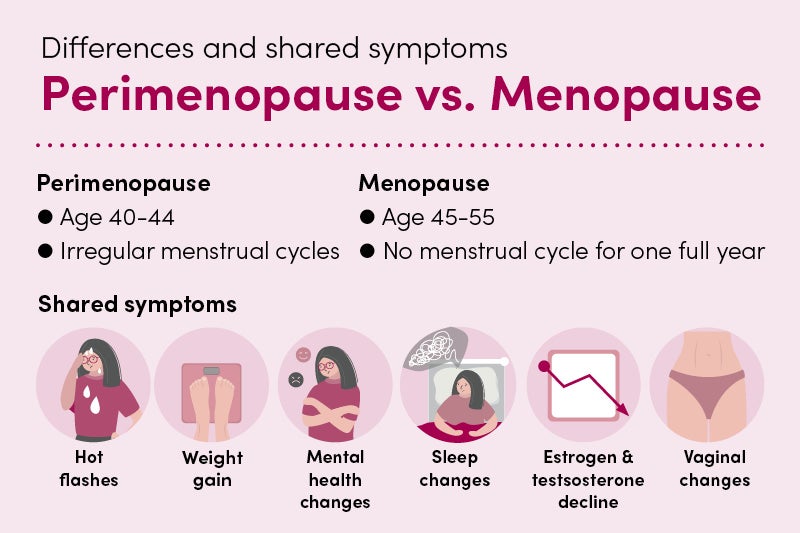
You don't have to navigate perimenopause and menopause alone. We are here to help you manage symptoms and maintain your health and well-being during this stage of life. Discuss changes such as hot flashes, sleep concerns, vaginal discomfort or changes in your periods. Your care team can evaluate symptoms and discuss options that fit your health history.
Wellness visits and preventative screenings
Your annual wellness visit gives you the chance to talk to your provider about your health history, medications, emotional well-being and health goals. During this visit, your provider can recommend screenings based on your age, history and individual risks.
Gynecologic and menstrual concerns
If you’re experiencing heavy or irregular periods, pelvic pain, fibroids, endometriosis or ovarian cysts, it’s important to talk to your provider about these concerns. During your evaluation, you may discuss nonsurgical and surgical options when appropriate for your diagnosis and goals.
Pelvic and bladder concerns
Talk with your provider about urine leakage, pelvic pressure or pain or concerns after childbirth. Depending on your evaluation, pelvic floor therapy or another treatment method may be part of your care plan.
A visit is an opportunity to discuss changes you have noticed, even if you are not sure what is causing them. Changes to discuss could include:
- Heavy, painful or irregular periods
- Pelvic pain, pressure or discomfort during intercourse
- Urinary leakage, urgency or other bladder concerns
- Symptoms related to conditions such as endometriosis, ovarian cysts or fibroids and uterine fibroids
- Symptoms during perimenopause or after menopause
- A new breast change or questions about your screening plan
- Questions about hormonal and reproductive conditions, including polyendocrine metabolic ovarian syndrome (PMOS), formerly called polycystic ovary syndrome (PCOS).
Symptoms can have different causes. For a life-threatening medical emergency, call 911.
1. Prepare your questions
Bring your medication and supplement list, relevant records, past screening dates, insurance information and any questions to your visit. Complete any forms the care location requests before your appointment.
2. Talk through your needs
Your provider will review your health history, symptoms and health goals. It’s important to ask which exams or tests are recommended, what they involve and any concerns you might have before proceeding with tests or screenings.
3. Next steps and your care plan
Before you leave, ask how you will receive results, whether another appointment is needed and who to contact with questions. Some tests or services may require a separate visit.
Use the provider or location directory to explore care near you. Review the services listed, then contact the clinic or use an available scheduling option for the type of visit you need.
Before scheduling, confirm the provider's age range and services, whether new patients are being seen, and any referral or insurance requirements. Online appointments are offered for participating providers and visit types.
Recommended screenings and when to start screening vary depending on your health history, previous results and individual risks. There are two main types of screenings, preventative and diagnostic. Preventative screenings look for certain conditions before symptoms appear while diagnostic testing investigates a symptom or finding. Discuss with your provider which screenings may be right for you.
Frequently Asked Questions
Women's health care includes preventive visits, screening conversations and evaluation of gynecologic concerns, as well as menopause, breast care and pregnancy-related care. The services available depend on your provider and location.
An OB/GYN provides obstetric and gynecologic care, including pregnancy-related care and concerns involving reproductive health. Family medicine providers also offer many preventive and routine women's health services. Tell the care location why you want a visit so the team can help identify an appropriate provider. Not every provider offers every service.
You should schedule a wellness exam annually to monitor your overall health, discuss any concerns, review medications and get any preventive screenings (based on age and risk factors).
Before your appointment
Prepare your information:
- Complete or update any forms in MyChart
- Review your medications, allergies and health history
- Write down symptoms, questions or goals you want to discuss with your provider
During your appointment
Your provider will discuss your health history, perform a physical exam and recommend screenings based on your age, health and risk factors. This may include Pap tests, mammograms and bone density screenings to help detect potential concerns early.
After your appointment
After your visit, you can stay connected to your health with MyChart.
Women's health screenings vary by age and risk factors, but they may include Pap tests, HPV testing, mammograms, cholesterol checks, blood pressure screenings and bone density tests.
Most women should begin routine mammogram screenings around age 40, although your recommended age can vary depending on personal and family medical history.
Your pap smear frequency will depend on age, medical history and prior test results. Many women are advised to have screening every 3 to 5 years, beginning at age 21.
Common symptoms include fatigue, mood changes, irregular periods, weight fluctuations, acne, sleep disturbances and low libido. If you are experinecing any of these symptoms, talk to your healthcare provider.
Most women experience menopause between ages 45 and 55, with the average age being around 51.
You should see a gynecologist for annual checkups, reproductive health concerns, unusual symptoms, family planning or menopause management.
No. You do not need a referral to see a MercyOne gynecologist.
Symptoms can include abnormal bleeding, pelvic pain, painful intercourse, unusual discharge or persistent menstrual irregularities.
If you are experiencing any of these symptoms, reach out to your provider.
-
Read article
 Women's Health
Perimenopause vs. menopause: Know the similarities and differences
Knowing the similarities and differences between perimenopause and menopause, as well as preparing for the journey, helps women as they navigate this life change.
-
Read article
 Wellness and Prevention
Signs of a urinary tract infection (UTI) and how to treat it
Urinary tract infections (UTIs) are common and can affect people of all ages. Knowing the symptoms, such as frequent urination, burning during urination or cloudy urine, can help you seek treatment early and prevent more serious complications.
-
Read article
 Maternity Care
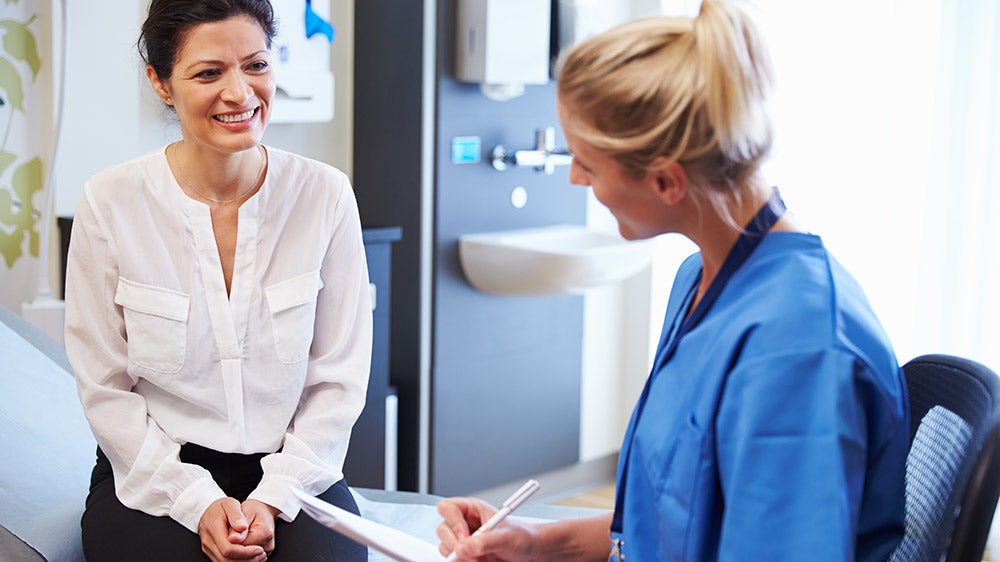
What is a midwife? Understanding midwife care
Learn about midwife care, who midwives support and the key differences between a midwife and an OB/GYN. By understanding these care options, you can make an informed decision about what's right for you.
-
Read article
 Robotic Surgery
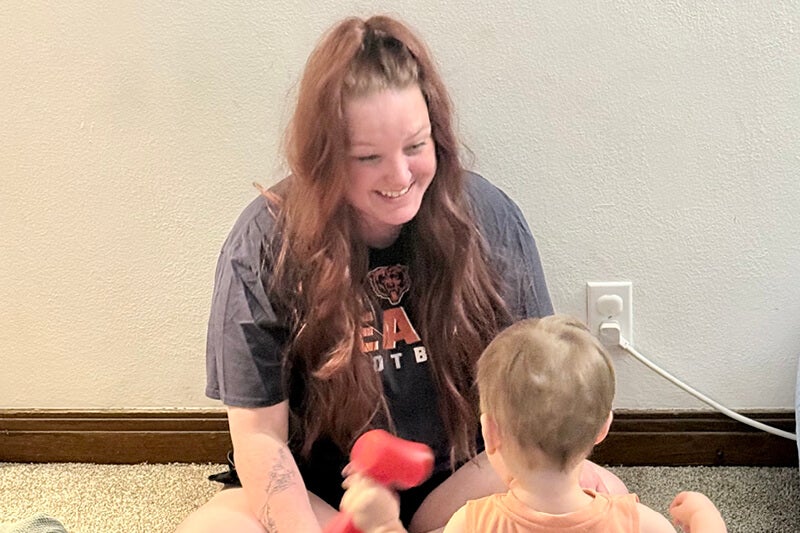
Allison Dussliere - Women's Health and Robotic Surgery, Patient Story
Bedridden from pain during her menstrual cycle. Trips to the Emergency Department, fearing she had a burst appendix. Heavy bleeding, severe fatigue, missed work and a bloated belly that made her look pregnant. That was the reality of Allison Dussliere’s monthly periods. Discover how she found relief from endometriosis.
-
Read article
 Cancer Care
How genetics and BRCA genes affect your breast cancer risk
Learn how genetics and BRCA1/BRCA2 mutations affect breast cancer risk, who should consider genetic testing and prevention options.
-
Read article
 Women's Health
Questions about abnormal uterine bleeding? We have answers
Women who experience heavy bleeding during and between menstrual cycles don’t need to suffer in silence. Treatments ranging from drug therapy to surgery can help.
-
Read article
 Wellness and Prevention
Your endocrine system: Signs of a hormone imbalance
Your endocrine system releases hormones that travel through your bloodstream to keep your body functioning in harmony. But what happens when a hormone is out of balance? You develop symptoms that might signal an endocrine disorder.
-
Read article
 Women's Health
Are self-breast exams necessary?
Being familiar with your own body lets you know for certain when something doesn’t look or feel normal. That's why self-breast exams are so important for your health; they give you the power to live a full life.
-
Read article
 Women's Health
Nurturing together Breastfeeding tips for parents and partners
Breastfeeding is a journey. Whether you're just beginning or navigating challenges along the way, here are some breastfeeding tips to help make your journey a smooth one.
-
Read article
 Women's Health
Screening vs. Diagnostic Mammogram
Learn about the different types of mammograms and when to consult your provider about breast symptoms.
-
Read article
 Women's Health
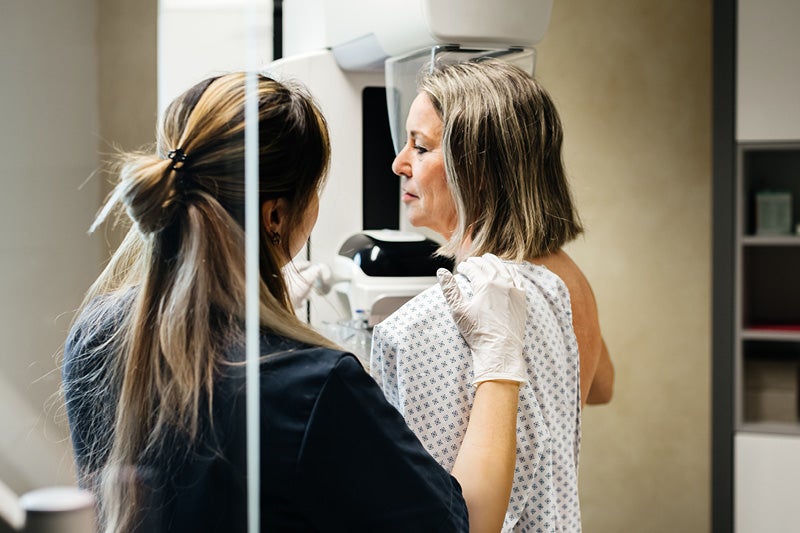
Know your breasts: mammograms, self-exams and family history
Learn how mammograms, self-exams, and understanding your family history can empower you to take charge of your breast health.
-
Read article
 Heart Care
Why heart attacks are different in women
Did you know heart attack symptoms for women can be different than men? Some signs – like dizziness and nausea – aren't so obvious. Both men and women can experience chest discomfort, however women are more apt to have pain at rest or while sleeping and men after exertion. Get the facts about heart disease – the No. 1 killer of women.
Provider Ratings