Neurology and Neuroscience Care
Are you at a risk for a stroke?
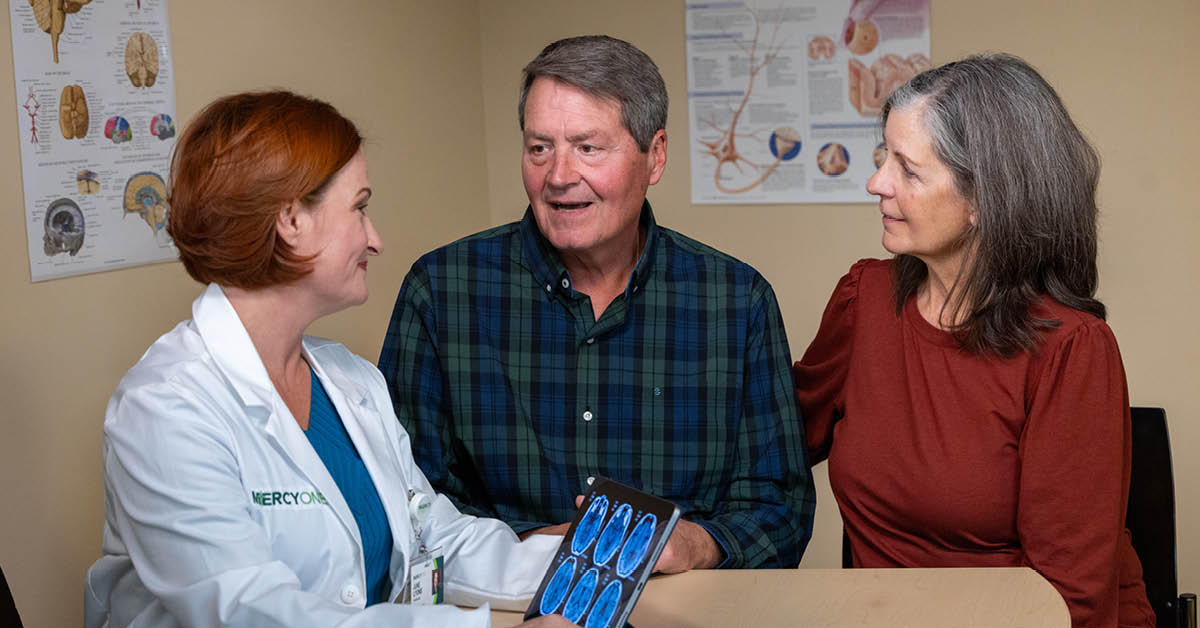
At MercyOne, our neuroscience teams provide compassionate, comprehensive care for a wide range of neurological conditions, from headaches and stroke to movement, memory and sleep disorders.
Comprehensive neuroscience care
Neuroscience care at MercyOne includes the evaluation and treatment of conditions affecting the brain, spinal cord, peripheral nerves and muscles. Depending on your symptoms, your care may involve a neurologist, neurosurgeon, stroke specialist, physical medicine and rehabilitation provider, pain management expert, sleep specialist or another neuroscience specialist. MercyOne physicians and care teams offer the latest technologies and treatment options, ensuring you have access to advanced, personalized care.
Frequently Asked Questions About Your First Neurology Appointment
Your specialist will meet with you to review your symptoms, health history, medications, prior testing and goals.They may perform a neurological exam.
Over time, you and your provider will develop a treatment plan that fits your needs and goals. Your care may include medication, therapy, monitoring, surgery or coordination with other specialists. Follow-up care will depend on your diagnosis and treatment plan.
Your first visit may take longer than a routine appointment, so your provider can review your medical history, symptoms and any previous tests.
Bring a list of your medications, any recent imaging or test results, your insurance information, your ID and a list of questions or concerns you'd like to discuss. A timeline of your symptoms will also be helpful.
Not always. Your provider will determine whether additional tests or imaging are needed based on your symptoms and medical history.
Yes. A family member or caregiver can help provide information about your symptoms, take notes and offer support during the appointment.
Over time, you and your provider will develop a treatment plan that fits your needs and goals. Your care may include medication, therapy, monitoring, surgery or coordination with other specialists. Follow-up care will depend on your diagnosis and treatment plan.
Frequently Asked Questions
You may want to see a neurologist if you have symptoms like frequent headaches, seizures, dizziness, memory problems, numbness or weakness. A neurologist can help find the cause of these symptoms and recommend the appropriate treatment. Early care may help prevent symptoms from getting worse.
Yes, most neurologists require a referral. Talk to your primary care provider about seeing a specialist.
Neurologists use different tests to check how the brain, spinal cord, nerves, and muscles are working. These tests help neurologists find the cause of symptoms and create the right treatment plan.
- MRI: Creates detailed images of the brain and spine
- CT scan: Quickly checks for problems such as stroke, bleeding or injury
- Electroencephalogram (EEG): Measures brain wave activity and helps diagnose seizures
- Electromyography (EMG): Tests how well nerves and muscles communicate
- Blood tests: Help find infections, vitamin deficiencies or other conditions that may affect the nervous system
Neurologists diagnose and treat conditions that affect the brain, spinal cord and nerves. These include memory disorders (like Alzheimer's disease and dementia), movement disorders (such as Parkinson's disease and tremors), migraines, stroke and multiple sclerosis (MS). Neurologists help identify the cause of symptoms and create personalized treatment plans to improve quality of life.
You should seek evaluation if headaches are frequent, severe, worsening, accompanied by neurological symptoms such as numbness/tingling and vision changes or interfere with daily activities. Start by talking with your
A neurologist evaluates symptoms like headaches, seizures, dizziness, memory problems, numbness, weakness and balance issues. They help manage these conditions with medications, therapies and lifestyle recommendations rather than surgery.
If surgery is needed, a neurologist will work closely with a neurosurgeon to determine the best care plan. A neurosurgeon performs surgery on the brain, spine and nervous system when needed.
Call 911 for possible stroke, a first or prolonged seizure, sudden severe headache, loss of consciousness, new paralysis, serious head injury or another potentially life-threatening change.
-
Read article
 Sleep Medicine
Teens and sleep: Your questions answered
Due to hormonal changes and their cognitive and physical growth, teens often need more sleep than at other stages in life. MercyOne experts answer your questions about teen sleep.
-
Read article
 Sleep Medicine
Sleep helps you stay healthy
Sleep helps our body function in a healthy manner, but if you're having issues with good sleep, there are solutions.
-
Read article
 Neurosciences
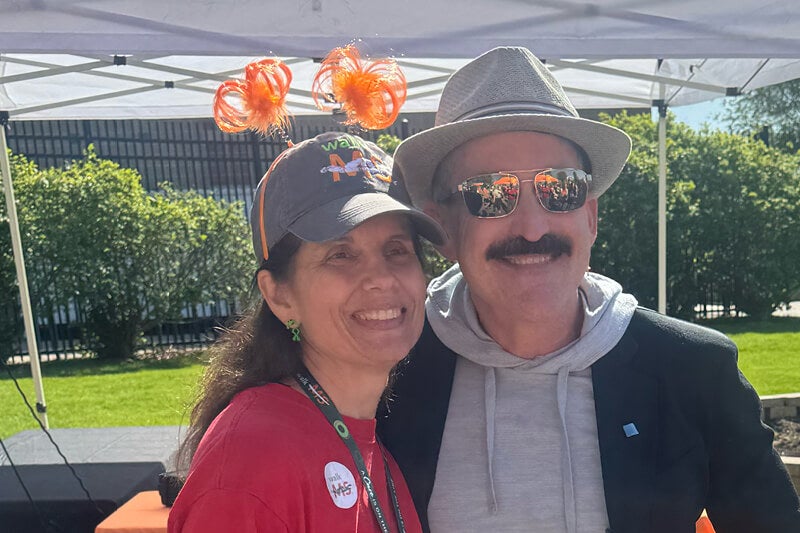
Jennifer Gogerty - Multiple Sclerosis, Patient Story
The unusual symptoms began to add up. One day, Jennifer Gogerty saw colors differently. Another day, she’d wake up to numbness over half her body. Read how an MS diagnosis shifted the course of Jennifer's life.
-
Read article
 Stroke Care
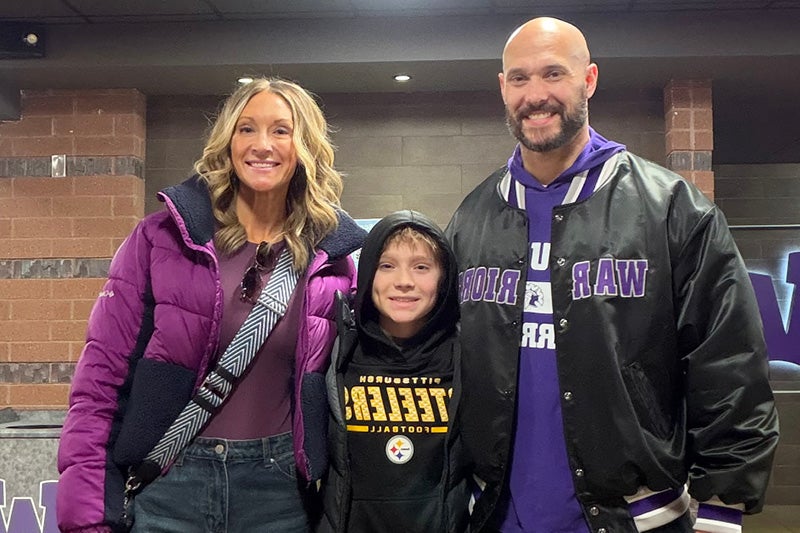
Drew Strube - Stroke Care, Patient Story
Call it a “stroke of luck” or a miracle that Drew Strube happened to be with medical providers at the beginning of his rare and life-threatening stroke. Read his story.
-
Read article
 Neurosciences
Alzheimer’s disease blood tests: Help or hype?
New blood tests for Alzheimer’s disease have received a lot of hype, but they don’t simply predict or diagnose the disease. Biomarker tests are intended for those with signs and symptoms of cognitive decline, not for routine screening. Results should be interpreted by your neurologist along with other clinical information.
-
Read article
 Neurosciences
Back pain treatment guide: Best ways to relieve back pain
Do you suffer from back pain? Explore the best ways to relieve back pain, including home remedies, physical therapy and advanced treatments. Learn what causes back pain and when to see a specialist for lasting relief.
-
Read article
 Neurosciences
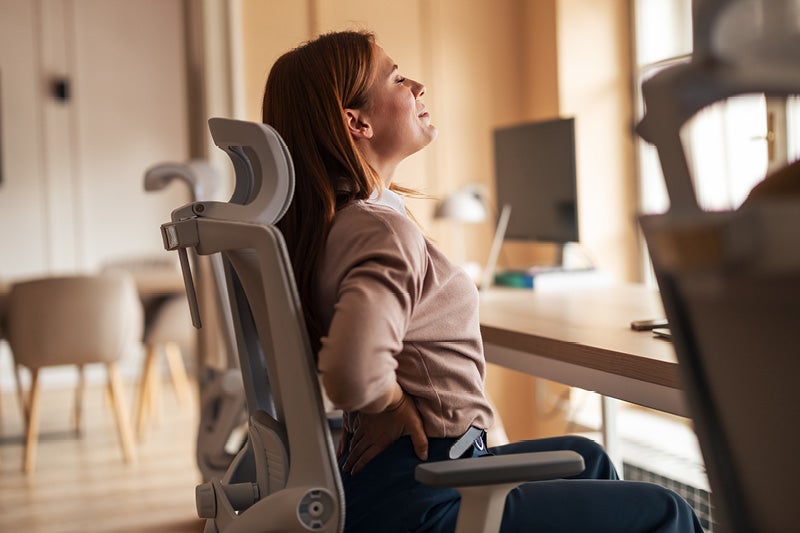
Back pain: What's normal and when to see your doctor?
Back pain is common, but some symptoms signal something serious. Learn what’s normal, what’s a red flag, and why seeing your primary care provider matters.
-
Read article
 Neurosciences
What does your back pain mean?
Learning what your back pain means based on its location can help you understand the source and learn how to best treat it. Read about common causes of back pain and what that means for you.
-
Read article
 Wellness and Prevention
Most common health care topics of 2025
Learn about the top-searched health care topics of 2025 and how MercyOne can help you with your health concerns.
-
Read article
 Neurosciences
When should your child see a neurologist
Wondering if your child’s symptoms might need a neurologist’s attention? Learn about common signs and when it might be time to take the next step for their care.
-
Read article
 Neurosciences
Signs You Might Need to See a Neurologist
Are you experiencing symptoms like sudden headaches, numbness or vision changes? These could be signs of something more serious. Discover the key warning signals it’s time to see a neurologist.
-
Read article
 Neurosciences
Am I at risk for a stroke?
Many of us know someone who has had a stroke, which makes us consider our own risks. Knowing your risks and tips for prevention may help you avoid this health condition.
Provider Ratings